 ZARI Blog
Sustainable Sahel rangelands: grazing, water and herd decisions
A practical guide to adaptive stocking, forage monitoring, watering points, pastoral mobility and drought planning in African rangelands.
· ZARI AGRI
Understand grazing pressure
Rangeland degradation depends on when and how long animals graze, vegetation recovery and highly variable rainfall—not simply herd size. A fixed rotation calendar can be inappropriate in a dry year or an ecosystem that evolved with grazing.
Map the grazing landscape
Work with herders to identify forage patches, fragile soils, seasonal watering points, livestock corridors and customary access rights. Monitor plant cover, exposed soil, erosion and animal condition at several points during each season.
Adjust stocking and recovery
Allow grazed areas sufficient recovery according to observed plant growth rather than a universal timetable. When forage falls, move animals, change grazing duration or reduce stocking pressure. Agree on changes with local communities to minimize conflict.
Water and feed planning
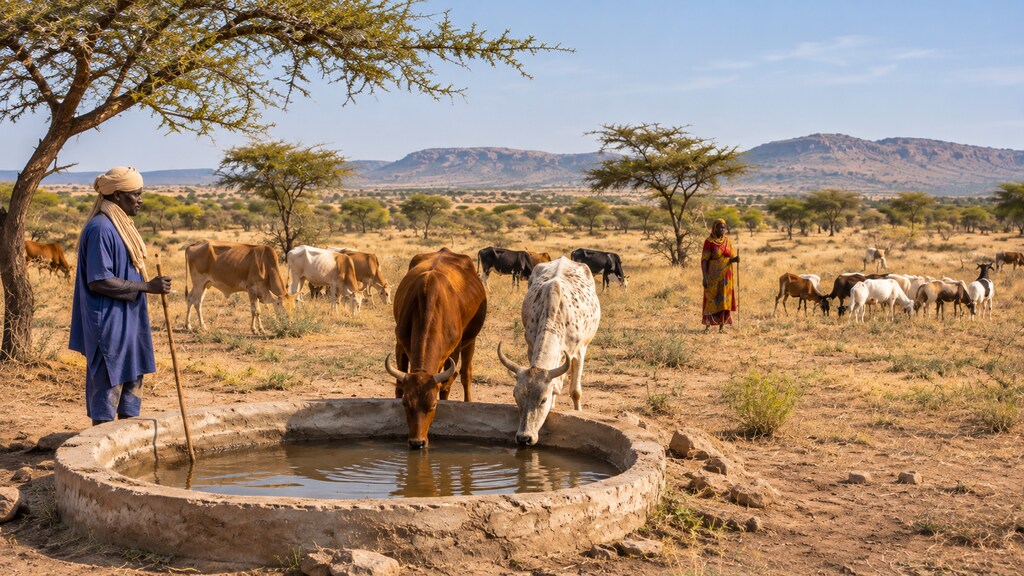
Heavily used water points can concentrate trampling and vegetation loss. Plan access where feasible and lawful, maintain emergency feed reserves and coordinate animal health with veterinary professionals. Mobility decisions must respect land use and access rights.
Measure cost and outcomes
Track ground cover, livestock body condition, reproductive performance, feed and transport expenses, and bare soil. Short-term herd gains are not success if they lead to degraded land next season.
Prepare for poor rainfall
Recalculate forage needs after rainfall deficits and trigger contingency decisions early. No single livestock-per-hectare number applies across all Sahel and savanna environments.
Field action plan
- Map the grazing landscape
- Adjust stocking and recovery
- Water and feed planning
- Measure cost and outcomes
Frequently asked questions
Is rotational grazing always enough?
No. Outcomes depend on forage recovery, herd pressure, rainfall and negotiated access.
Scientific references
Sahel rangeland management · African pastoralism · adaptive grazing · drought feed · livestock stocking rate · land restoration