 ZARI Blog
Guinea fowl farming: protect keets before expanding
· ZARI AGRI
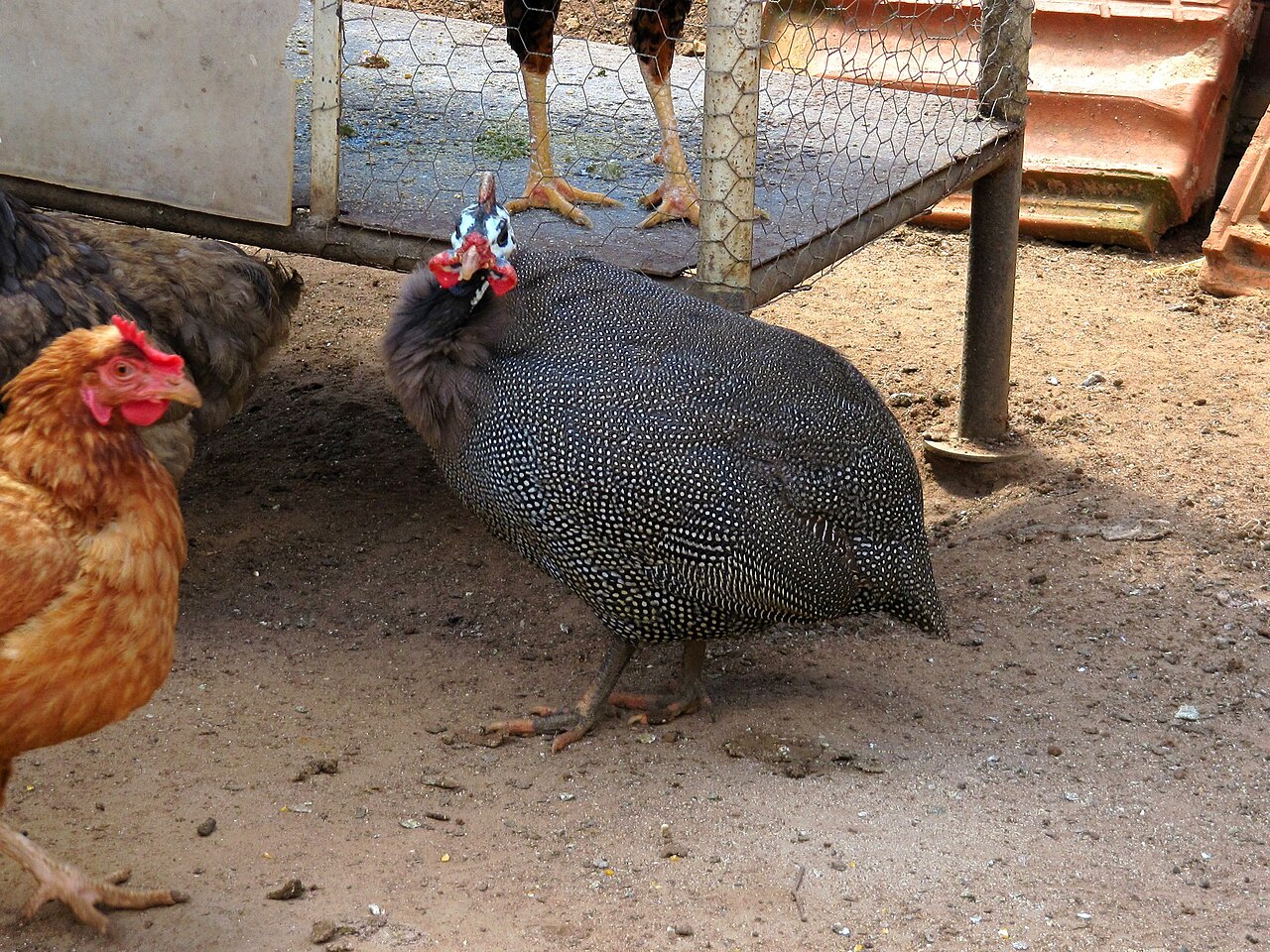
Spotted feathers, a distinctive call and fast movement make guinea fowl easy to recognise. A successful small flock needs particular attention immediately after hatching.
Guinea fowl, often called “pintade” in French-speaking markets, are kept in family poultry systems. The domestic type discussed here is the helmeted guinea fowl, Numida meleagris. Before buying, distinguish fertile hatching eggs, young keets needing brooding, and older birds. Each option has different costs, care requirements and risks. [1]
The first two weeks deserve close attention
Keets are sensitive to dampness, especially during their first two weeks. Provide a warm, dry area protected from direct draughts, with suitable drinkers that do not soak the bedding. They also need an appropriate starter feed: a grain mix intended for adult birds should not be assumed to meet their needs. [2]
Prepare the area before they arrive. Test the drinker, check that cleaning is easy and decide who will inspect the birds morning and evening. A short daily record of eating, drinking, activity and losses can help reveal problems before much of the batch has been lost.
Plan for an active bird
Guinea fowl move extensively, can fly and may be noisy near homes. Consider suitable fencing or a covered enclosure and a secure night shelter with perches before choosing the site. Eggs usually take about 26–28 days to hatch. A broody chicken can incubate them, but their hatching schedule differs from that of chicken eggs. [2]
Record the setting date and expected hatching date for each group of eggs. Do not base the sales calendar on egg numbers alone: the number of marketable birds depends on hatching and survival. Start the budget with a realistic estimate of saleable birds and revise it after each cycle.
Test demand before increasing numbers
Potential buyers include households, restaurants and other breeders, but actual demand must be checked locally. Ask about preferred size, delivery arrangements and the number buyers can take each week. Then run one batch and compare sales with the cost of keets, feed and care.
Keep the first batch’s records as a reference. Expansion becomes a clearer decision when you know survival, cost per bird and whether you can maintain the same standard of care with a larger flock.
Practical step: organise dry brooding and identify buyers first; expand using survival and selling-cost records.
References
General guidance to adapt to farm conditions with a qualified adviser. Financial examples are hypothetical; historical figures do not guarantee current performance.