 ZARI Blog
Local chickens: protect chicks and select productive hens
· ZARI AGRI
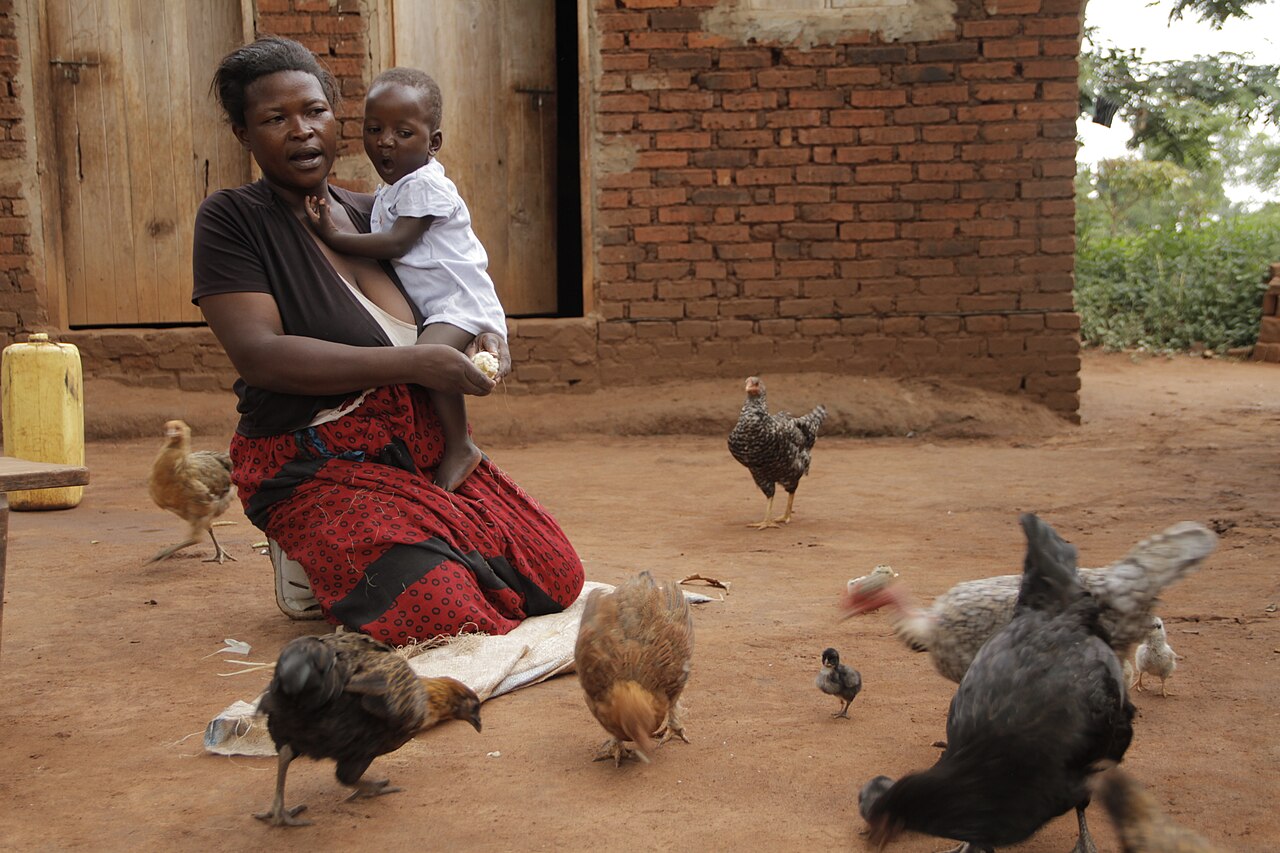
A large flock does not automatically mean a growing business. Start by measuring what hatches in each nest and how many birds survive to selling age.
Local chickens are not one uniform breed with a fixed output. Populations differ in size, growth and egg production. A handsome rooster alone will not create a productive flock. Start with birds of known origin and compare their performance under similar conditions: differences in feeding can otherwise be mistaken for differences in genetics. [1]
Keep a simple record for each breeding group
Record when eggs are set, how many are incubated, how many chicks hatch and how many survive to a chosen age. These figures show where losses occur. Good hatching followed by poor chick survival calls for a review of protection and care, not simply the purchase of more hens. When selecting replacements, consider health, growth and family records together. Improve feeding and management before deciding whether crossbreeding is needed. [2]
A modest house with a clear purpose
Provide dry sleeping space, shade, ventilation and protection from predators. Put nests in a quiet corner, keep drinkers clean and remove wet bedding. A protected area for the hen and her chicks can reduce trampling and competition. Ventilation should not expose chicks to direct draughts, and closing the house at night should not make it stuffy. [3]
Chicken eggs usually hatch after about 21 days under suitable conditions. Mark the expected date and prepare the chick area, feed and water beforehand. Feed and water near the broody hen help her meet her needs without long absences from the nest. [4]
Prevention is part of production
Local birds remain susceptible to disease, including highly contagious Newcastle disease. A local veterinarian should adapt vaccination to the area and available vaccine. Clean equipment and reduce movement of contamination between flocks. Unusual deaths, breathing problems or nervous signs require separation of sick birds and veterinary diagnosis; appearance alone cannot identify the disease. [5]
At the end of each cycle, compare three numbers: chicks hatched, birds surviving and birds sold or retained for breeding. Select one weakness to improve in the next cycle. Expansion can then follow measured performance, and each breeding hen becomes part of a production plan you can assess.
Practical step: record hatching and survival, then improve protection and feeding before increasing flock size.
References
General guidance to adapt to farm conditions with a qualified adviser. Financial examples are hypothetical; historical figures do not guarantee current performance.