 ZARI Blog
Fattening local chickens: when does feed become profit?
· ZARI AGRI
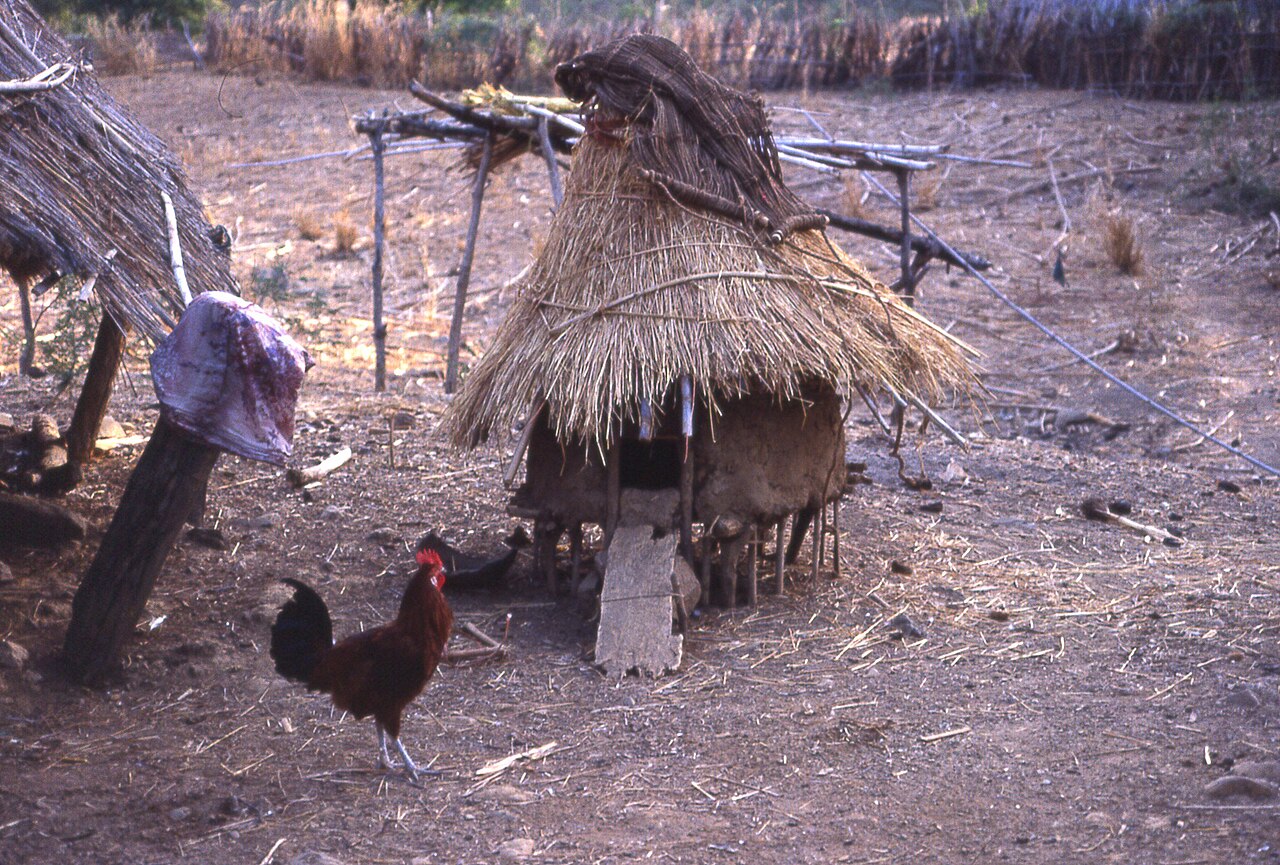
Sale weight matters. The better business question is how much it cost to reach that weight and how many birds actually reached the market.
Local chicken populations grow at different rates. One short fattening period or final weight cannot be promised for every bird sold as “local”. First define what buyers want: a live bird of a particular size or a batch of similar weights on an agreed date. Try a small batch and record its approximate age and starting weight. [1]
Grain is only part of a balanced ration
Maize, millet and sorghum can provide energy, but grain alone does not ensure a balanced diet. Growing birds also need appropriate protein, minerals and vitamins, with clean drinking water available. Scavenged feed varies with the season and should not be treated as a constant year-round supply. Choose age-appropriate feed or ask a qualified adviser to formulate a ration using the ingredients actually available and their quality. [2]
Record feed quantities bought, prices paid and quantities used by each batch. Include spilled or spoiled feed: a kilogram paid for and lost below the feeder is still a cost. These records may show that improving the feeder offers more value than buying an unproven supplement.
Weigh birds and compare the options
Weigh a consistent sample weekly under comparable conditions and track growth. If costs rise while weight gain weakens, review feeding, health and management. In hot weather, ventilation, shade and water help limit heat stress, which can reduce feed intake and growth. [3]
A batch starts with 20 birds and costs 90,000 CFA francs in total. Eighteen birds are sold. If there is no other income or remaining stock value, the average break-even price is 90,000 ÷ 18 = 5,000 CFA francs per bird sold. Selling at this average only covers the assumed costs.
Include purchase, feed, care and transport, plus the batch’s share of equipment and labour. Count family labour when assessing full profitability. Looking only at feed expenses can create the impression of a profit that is not really there. [4]
Keeping birds for another week requires comparing the expected increase in sale value with that week’s extra costs. Ask buyers what they actually pay for different sizes, then apply the calculation to your own flock. Record the source of the birds too. After several batches, you can identify which population performs best in your conditions, even if it is not the largest.
Practical step: calculate cost per bird sold, then choose sale timing using weight, demand and additional costs.
References
General guidance to adapt to farm conditions with a qualified adviser. Financial examples are hypothetical; historical figures do not guarantee current performance.