 ZARI Blog
Muscovy ducks: clean water and dry shelter come first
· ZARI AGRI
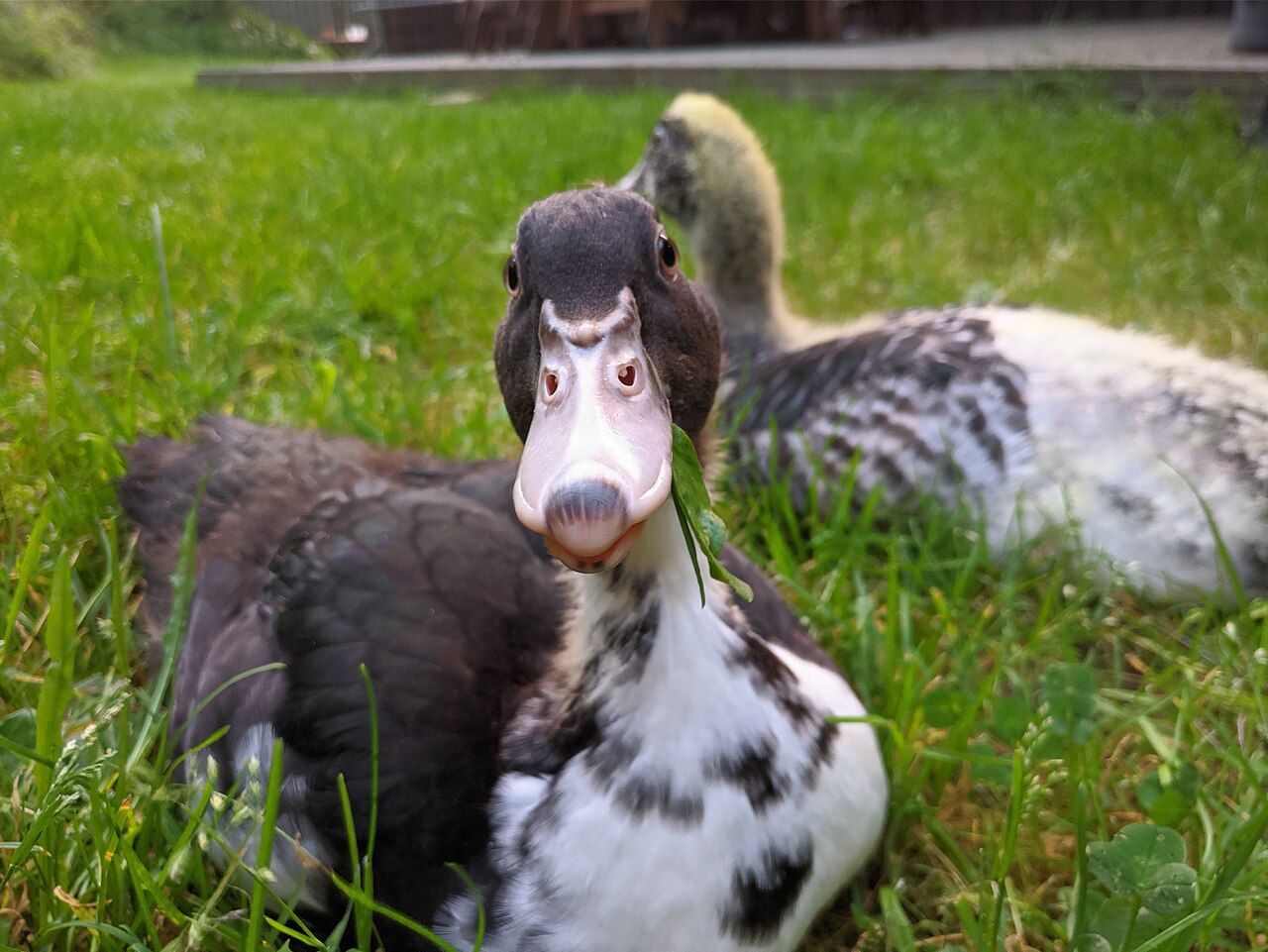
A duck house does not need to become a pond. A small enterprise can be organised around clean drinking water, dry resting space and suitable feed.
The Muscovy duck, Cairina moschata, is distinct from chickens and many other domestic ducks and originates from South America. Species identification matters when buying eggs or planning incubation: not all duck eggs hatch after the same number of days. [1]
Start with the floor and drainage
Cornell University recommends locating duck shelter on high, well-drained ground, with dry bedding and protection from weather and predators. Muscovies can fly, so a low fence suitable for some other ducks may not contain them. Make the drinking area easy to clean and arrange it to limit water being carried into the sleeping area. [2]
Clean drinking water is essential, but a swimming pond is not required for normal growth and reproduction. Ducks still need a dry resting area even when swimming water is provided. [3] Start with facilities you can maintain, then adapt them to flock size and drainage capacity rather than building a large pond that is difficult to clean.
Feed quality includes storage
Damp grain or mouldy feed can contain toxins harmful to ducks. Keep ingredients dry, reject mouldy material and do not leave wet mixtures until they spoil. [4] Add spoiled feed to your expense records, alongside feed actually eaten, to compare suppliers and storage methods properly.
Ducklings need suitable brooding care, accessible water and age-appropriate feed. Two useful daily questions are whether the resting area remains dry and whether all birds can reach feed and water without obvious crowding. Repeated problems may call for rearranging equipment. [2]
Separate incubation planning from sales planning
Mississippi State University gives an incubation period of about 35–37 days for Muscovy eggs, compared with about 28 days for many other ducks. This describes hatching, not the age or weight at which birds should be sold. [5]
Decide whether you intend to sell ducklings, older birds or breeding stock, and test demand with a limited batch. Record hatching date, survival and sale weight. These records allow you to evaluate actual feed, water and labour use and decide whether the enterprise fits your farm.
Practical step: arrange drinking water to keep the shelter dry, and calculate incubation and fattening separately.
References
General guidance to adapt to farm conditions with a qualified adviser. Financial examples are hypothetical; historical figures do not guarantee current performance.