 ZARI Blog
Djallonké and D’man sheep: selecting ewes and planning lamb finishing
· ZARI AGRI
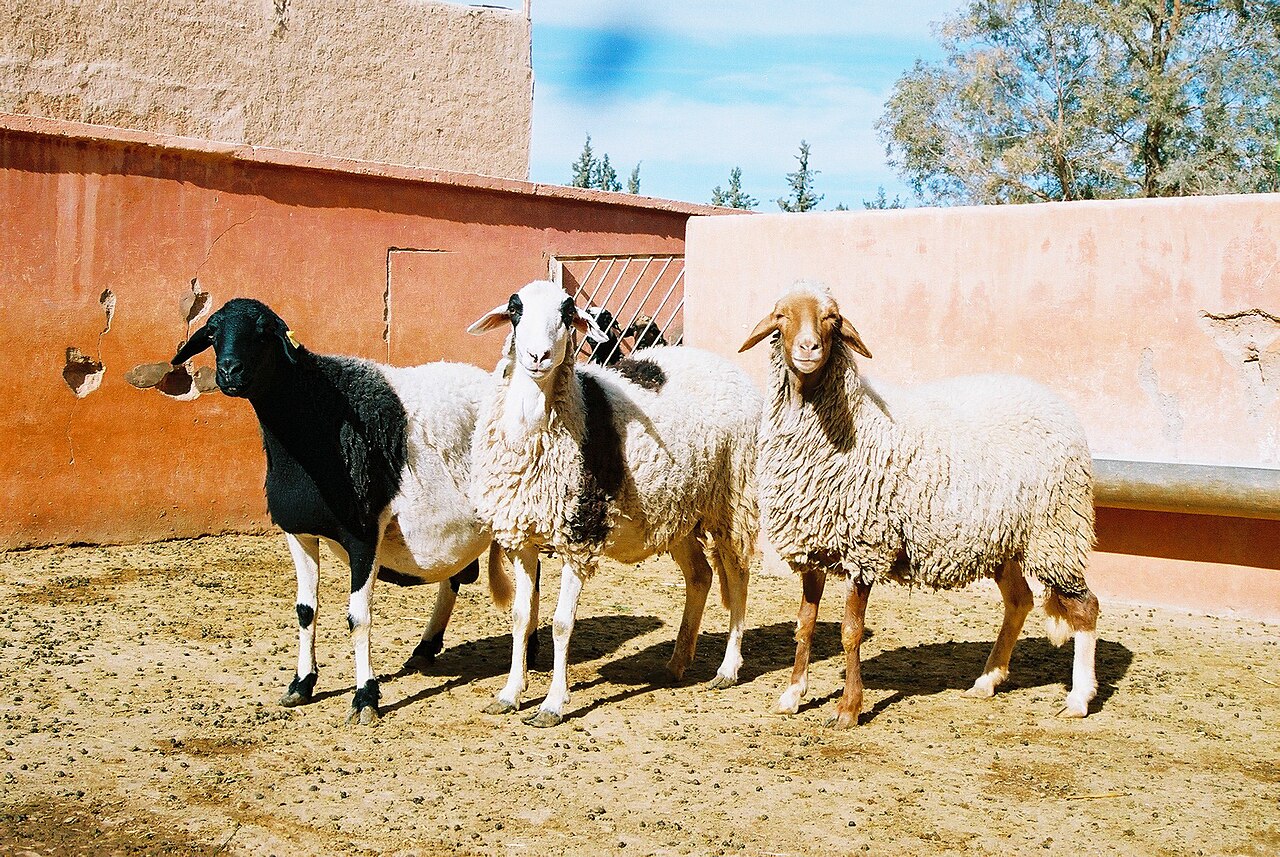
Multiple births are useful when ewes can rear their lambs and enough offspring reach weaning and sale. Good selection combines reproduction, care and costs.
Djallonké sheep are raised in West Africa, including Togo. D’man sheep are associated with southern Moroccan oases and are known for prolific reproduction. Comparing them is useful, provided feeding, environment and management are considered. Results from a research station do not transfer automatically to every farm. [1] [3]
Djallonké: twins occur, but rates vary
A Togo study conducted from 1976 to 1978 recorded 382 lambings: 43.98% were twins, 53.67% singles and 2.35% triplets. These are historical results for the studied population, not a fixed rate for every Djallonké ewe or a current national statistic. [1]
Another study using Kolokopé station records from 1984–1994 reported about 1.31 lambs per lambing. Such differences show why buyers should request the actual flock’s records instead of relying on a well-known breed figure. [2]
D’man: reproductive potential needs suitable management
Moroccan INRA researchers describe D’man as a prolific local oasis breed that can be mated at different times of year. Their work discusses small, housed flocks. [3] These characteristics justify comparison, but they do not alone justify purchasing D’man for Chad without assessing suitability, sourcing and care costs. The sources used here do not establish widespread commercial distribution of D’man in Chad.
Select ewes for the lambs they can rear
Ask about previous lambings, lambs surviving to weaning, udder condition and general health. Nutrient requirements increase in late pregnancy, particularly with multiple fetuses. Review the ration according to ewe condition and forage quality rather than adding grain indiscriminately. Inadequate nutrition can weaken newborns and reduce colostrum and milk production. [4]
After birth, check that each lamb receives colostrum early. Seek help if a lamb is weak or cannot suckle. Having twins does not ensure that both receive adequate care without observation. [5]
Calculate fattening separately
For lamb finishing, record purchase weight and price, feed, care, transport, sale weight and sale price. Do not pay a premium merely because a lamb was born a twin. Assess the individual animal, the cost of its growth and its expected sale value. When comparing breeding flocks, calculate lambs weaned per ewe per year, then the net value after expenses.
Start at a scale you can manage closely. Retain daughters of mothers that combine good reproductive performance with the ability to rear their offspring in your conditions. Repeated records will show whether more births really improve returns or whether feeding and care need improvement first.
Practical step: select breeding ewes using lambs weaned; select finishing animals using growth and costs.
References
- Y. Amégée (1983) — La prolificité du mouton Djallonké en milieu villageois au Togo; observations 1976–1978
- Missohou, Bonfoh and Kadanga — Le mouton Djallonké à Kolokopé (Togo); observations 1984–1994
- Kerfal, Chikhi and Boulanouar, INRA (2005) — D’man reproduction and growth at Errachidia
- Penn State Extension — Monitor Body Condition Scoring and Nutrition throughout Pregnancy
- AHDB — Colostrum management for lambs
General guidance to adapt to farm conditions with a qualified adviser. Financial examples are hypothetical; historical figures do not guarantee current performance.